
When planning a profitable indoor playground business, understanding the structure of a complete soft play center is critical. A well-designed indoor playground is not just a collection of slides and balls. It is a carefully planned system of functional play zones that improve traffic flow, safety, age separation, and revenue performance.
1. Toddler Area (0–3 Years Old Zone)
Main Features
- Mini slides
- Soft blocks
- Small ball pool
- Soft climbing steps
- Sensory panels
- Ride-on toys
Characteristics
The toddler zone is designed for early childhood development. All equipment is low-height, fully padded, and enclosed. Bright colors and sensory elements help develop motor skills and coordination.
Professional Considerations
- Clear physical separation from big kids area
- Height control (usually under 1.2 meters)
- Anti-slip flooring
- Full foam padding with high-density EPE
Parents value safety and hygiene most in this area. Visibility for supervision is extremely important.
2. Main Soft Play Structure (Multi-Level Play Frame)
This is the core of every indoor playground.
Main Components
- Tube slides
- Spiral slides
- Double wave slides
- Climbing nets
- Crawl tunnels
- Punching bags
- Obstacle bridges
- Roller obstacles
Characteristics
The multi-level structure is designed for children aged 4–12. It combines climbing, sliding, crawling, and interactive obstacles into a layered play system.
The structure usually includes 2–4 levels depending on ceiling height.
Professional Design Notes
- Steel frame must be galvanized and powder-coated
- Platform load-bearing calculation is required
- Net enclosure must comply with safety standards
- Emergency exit access should be considered
Traffic flow design is critical. Poor design can create congestion inside the structure.
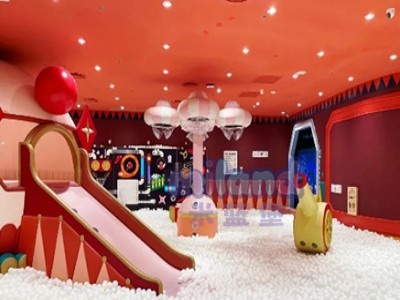
3. Ball Pool Area
The ball pit is one of the most attractive areas for children.
Common Configurations
- Ocean ball pool
- Ball blaster guns
- Interactive projection games
- Volcano slide
- Ball fountain machine
Characteristics
The ball pool encourages social play. Adding interactive technology increases replay value.
Safety & Maintenance Points
- Ball cleaning system is necessary
- Depth control (usually 50–70cm)
- Soft padding underneath
- Daily sanitation routine
Ball pools require regular maintenance to keep hygiene standards high.
4. Trampoline Area
Many modern indoor playgrounds include a trampoline zone to attract older kids.
Equipment Includes
- Free jump trampoline
- Dodgeball area
- Foam pit jump
- Slam dunk zone
Characteristics
High-energy play area suitable for children 5+ and teenagers.
Professional Considerations
- Independent supervision required
- Safety net enclosure
- Certified spring system
- Weight and age restriction signage
Trampoline zones significantly increase ticket value but require strict management.
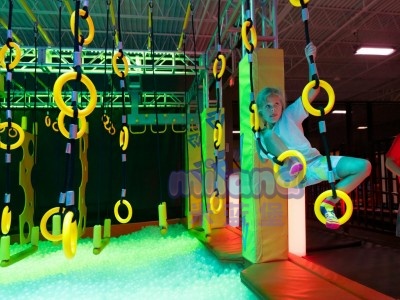
5. Ninja Course / Obstacle Challenge Area
Inspired by competitive obstacle training concepts like American Ninja Warrior, ninja courses are becoming popular in commercial indoor playground projects.
Typical Elements
- Monkey bars
- Floating steps
- Rope swings
- Spider wall
- Warped wall
- Rolling logs
Characteristics
This area focuses on strength, balance, and endurance. It appeals to children aged 6+ and even adults.
Design Attention
- Adequate fall protection (foam pit or airbag)
- Strong steel structure
- Modular obstacles for future upgrade
- Clear challenge route
Adding a ninja zone increases competitiveness and repeat visits.
6. Role Play / Pretend Play Area
This zone supports imaginative development.
Common Themes
- Mini supermarket
- Police station
- Hospital
- Kitchen house
- Fire station
Characteristics
Encourages social skills and creative thinking.
Operational Advice
- Keep scale proportional to children height
- Use durable plastic materials
- Separate from high-activity areas
This area is highly attractive for preschool customers.
7. Climbing Wall Area
Indoor playground climbing walls are designed specifically for children.
Features
- Auto-belay system (optional)
- Color-coded routes
- Low-height bouldering walls
- Soft mat landing
Professional Requirements
- Structural load calculation
- Certified climbing holds
- Regular inspection
Climbing walls improve physical strength and confidence.
8. Interactive Game Area
Digital integration increases competitiveness.
Options Include
- Interactive floor projection games
- AR sand table
- LED climbing walls
- Motion sensor walls
Benefits
- Enhances modern image
- Attracts tech-oriented families
- Increases social media sharing
However, electronic systems require stable maintenance support.
9. Party Room & Event Space
Birthday parties are a major revenue source.
Key Features
- Private decorated rooms
- Themed decoration options
- Catering support space
- Storage cabinets
A well-designed party room can significantly increase profit margins.
10. Parent Rest Area
Often overlooked but extremely important.
Must Include
- Comfortable seating
- Clear view of play zones
- Charging stations
- Café or snack counter
Parents’ comfort directly affects visit duration and return rate.

Trampoline Area
Ball Pool

Climbing
Rope Swing
Important Safety and Design Considerations
When designing a commercial indoor playground, consider the following professional standards:
1. Age Zoning
Separate toddler and big kids zones clearly to reduce collision risks.
2. Fire Safety
- Emergency exits
- Fire-resistant materials
- Clear evacuation pathways
3. Ceiling Height & Space Planning
Minimum height recommendation:
- Soft play: 3 meters
- Multi-level play: 4–6 meters
4. Material Quality
- Galvanized steel frame
- High-density EPE foam
- PVC coating with strong tensile strength
5. Traffic Flow Optimization
Avoid dead-end areas. Create circular movement paths to increase play time.
How to Design an Indoor Playground That Attracts More Customers
To increase traffic and inquiries, your indoor playground design should:
- Include multi-age zones
- Offer high-energy attractions
- Provide birthday party solutions
- Integrate interactive technology
- Maintain high safety standards
Search-friendly keywords for your website:
- Indoor playground equipment
- Soft play center design
- Commercial indoor playground for sale
- Custom indoor play structure
- Kids soft play manufacturer
Optimizing your website with these keywords improves Google ranking and generates organic leads.
Final Thoughts
A successful indoor playground is a combination of:
- Safe structural engineering
- Smart space planning
- Age-specific zoning
- Attractive design themes
- Operational profitability strategy
Whether you are planning a small 100㎡ playground or a large 1000㎡ family entertainment center, professional layout planning is essential.
If you are looking for custom indoor playground equipment for sale, we can provide:
- Free 2D & 3D design layout
- Budget planning support
- Production and installation guidance
- Global project experience
Contact us today to receive a customized playground proposal based on your venue size and target market. Let’s build a safe, profitable, and attractive indoor playground together.