How Much Does It Cost in 2026?
Starting an indoor playground business is one of the most attractive investment opportunities in today’s family entertainment industry. As parents increasingly seek safe, engaging, and weather-independent environments for children, indoor playgrounds have become a stable, scalable business model in many countries.
However, before entering this market, every investor asks the same question:
👉 How much does it actually cost to build an indoor playground?
The answer is not fixed. Costs vary depending on size, equipment type, design complexity, and location. In this detailed guide, we will break down everything you need to know—from initial investment to hidden costs and cost-saving strategies.
Cost Breakdown by Playground Size
The size of your playground is the biggest factor influencing total cost.
Small Indoor Playground (100–500㎡)
A small playground is ideal for startups or businesses with limited budgets.
- Investment: $10,000 – $50,000
- Target market: local communities, kindergartens
- Setup time: 2–4 weeks
- ROI: typically within 6–12 months
Medium Indoor Playground (500–1000㎡)
A medium-sized playground offers a better balance between investment and profit potential.
- Investment: $50,000 – $150,000
- Suitable for: shopping malls, commercial centers
- Features: more play zones, better attractions
- ROI: 10–18 months
Large Indoor Playground (1000–3000㎡+)
Large playgrounds create a strong brand impact but require higher capital.
- Investment: $150,000 – $500,000+
- Suitable for: large entertainment complexes
- Features: trampoline, ninja course, themed design
- ROI: 12–24 months
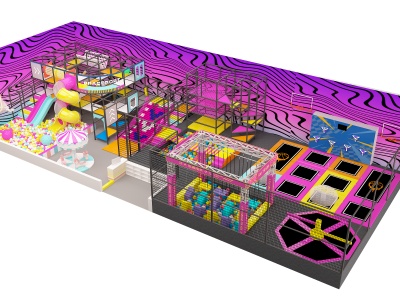
Chile Small 300 Project
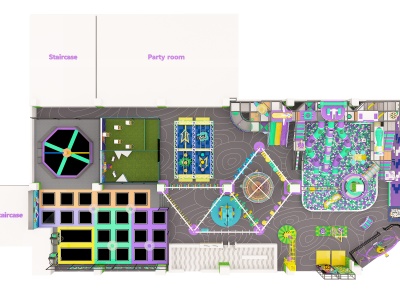
Iran Medium 900 Project
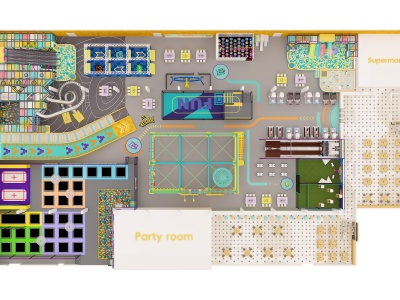
German Large 2000 Project
What Factors Affect the Cost?
1. Playground Size
The larger the space, the more equipment, materials, and labor are required.
2. Design and Theme Customization
Custom themes such as jungle, ocean, space, or castle significantly increase attractiveness but also raise costs.
👉 A well-designed playground can increase customer retention and ticket value.
3. Equipment Selection
Different equipment types vary greatly in price:
- Soft play structures → economical
- Ball pools → low cost, high attraction
- Trampolines → medium cost, strong appeal
- Ninja courses → higher cost, excellent ROI
4. Materials and Safety Standards
Higher safety standards (ASTM, EN) require better materials:
- Thicker padding
- Stronger steel structure
- Certified components
5. Shipping and Installation
International shipping, customs clearance, and installation can add 10–20% to your total cost.
Hidden Costs Most Investors Ignore
Many beginners only consider equipment cost but forget operational expenses:
- Rent (often the highest monthly cost)
- Staff salaries
- Electricity and utilities
- Insurance
- Maintenance and repairs
👉 Ignoring these can lead to incorrect ROI expectations.
How to Reduce Investment Cost
You can optimize your budget with smart strategies:
- Start with a small or medium playground
- Use modular equipment systems
- Combine multiple play functions in one structure
- Avoid unnecessary customization
How to Maximize ROI
To improve profitability:
- Add birthday party rooms (high-margin service)
- Introduce membership systems
- Combine trampoline + soft play
- Focus on high-traffic locations
Building an indoor playground is not just about buying equipment—it’s about creating a profitable business model. The right design, planning, and equipment selection will determine your success.
👉 Get Your Custom Indoor Playground Quote
Send us your floor plan and receive:
✔ Free layout design
✔ Accurate quotation
✔ ROI analysis and business advice